Installation

Complete Guide to Solar Panel Installation in Morocco

Solar Panels under a blue sky

With its abundant sunshine, Morocco is an ideal location for solar energy. Installing solar panels on your home or business is not just an environmentally friendly choice but also a smart financial investment. This guide will walk you through every step of the process, ensuring you're well-equipped to go solar in Morocco.

Step 1: Assessing Your Energy Needs & Site Suitability

Before you even think about panels, the first step is to understand your energy consumption. Review your past electricity bills (ideally for a full year) to determine your average monthly usage in kilowatt-hours (kWh). This will be the primary factor in sizing your solar PV system.

Key considerations for site assessment:

  • Roof Condition: Ensure your roof is in good condition and can support the weight of the panels.
  • Roof Orientation: In Morocco (Northern Hemisphere), a south-facing roof is optimal for maximum sun exposure throughout the day.
  • Shading: Check for any potential shading from nearby trees, buildings, or other obstructions. Even partial shading can significantly reduce your system's output.

Step 2: Navigating Permits and Regulations

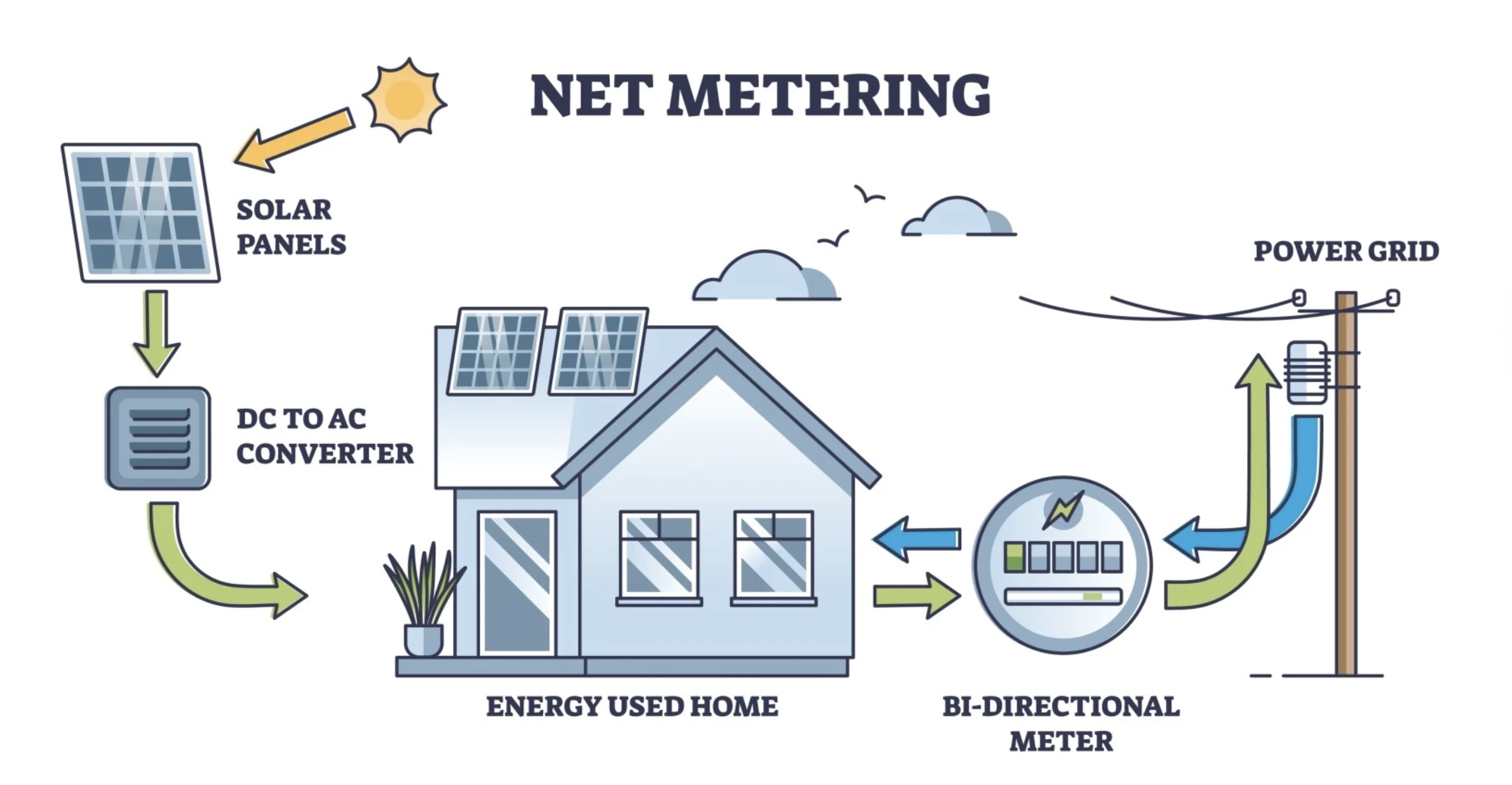
The regulatory landscape for solar energy in Morocco is evolving. As of 2025, for systems connected to the grid (On-Grid or Hybrid), you'll need to coordinate with your local electricity provider and potentially obtain a permit from the municipality. It's highly recommended to work with a certified installer who is familiar with the local administrative procedures.

"Engaging with a professional installer early in the process can save you significant time and headaches when it comes to navigating the necessary paperwork and legal requirements."

Step 3: Choosing the Right Components

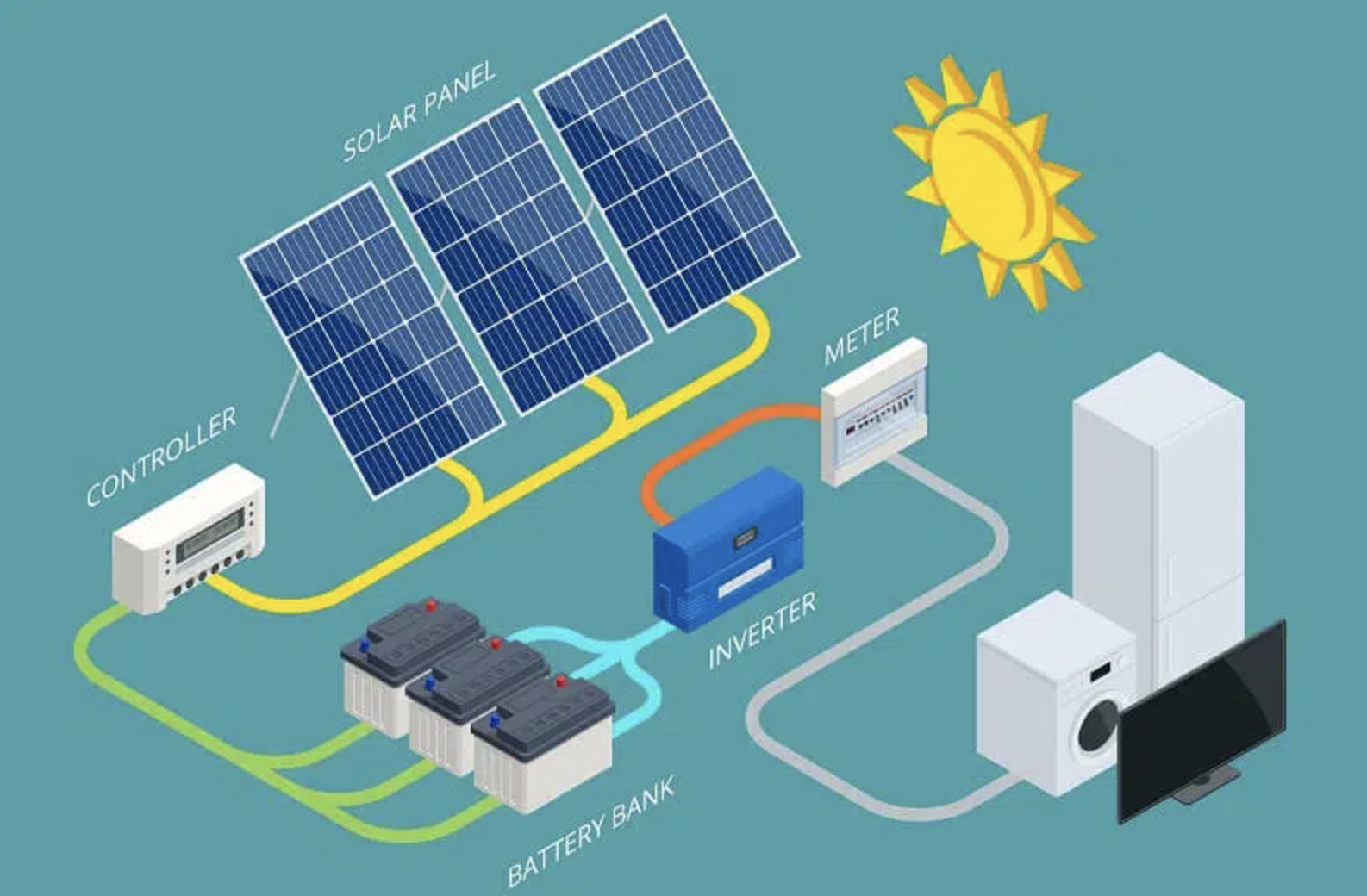
A solar PV system is more than just panels. Here are the core components you'll need:

  1. Solar Panels (PV Modules): Choose between monocrystalline (higher efficiency, higher cost) and polycrystalline (lower efficiency, more budget-friendly) panels.
  2. Inverter: This crucial device converts the Direct Current (DC) electricity produced by your panels into Alternating Current (AC) that your home can use.
  3. Mounting Racks: This hardware secures the panels to your roof.
  4. Batteries (for Hybrid/Off-Grid): If you want energy storage for nighttime use or power outages, you'll need a battery bank. LiFePO4 batteries are the current standard for safety and longevity.

For more details on specific brands, check out our Top 5 Solar Panel Brands in Morocco review.